
 Deutsch (Germany)
  Polski (PL)
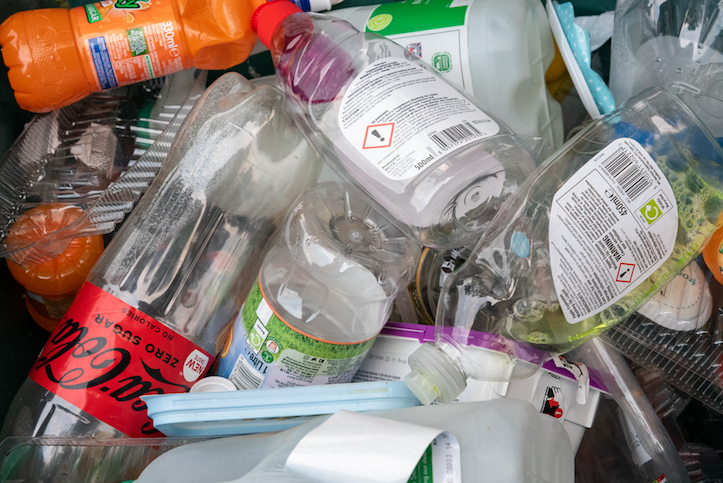
 Leading environmental compliance specialists Ecoveritas today urged businesses to take head of HMRC's move to penalise non-compliant businesses regarding the Plastic Packaging Tax but says any future changes to its modus operandi must not solely be about boosting the Treasury's coffers.
Sidebar
Organisations

Key Investment in Airport Infrastructure Needed Now to Meet Demand for Hydrogen and Electric Aircraft by 2050
Global demand for hydrogen and electric aircraft could require 600-1,700 terawatt hours of clean energy by 2050, equivalent to the energy generated by 10-25 of the world’s largest wind farms
Airport infrastructure will need to be in place by 2025 when the first battery and hydrogen-powered passenger flights could start operating
New white paper from the World Economic Forum explores the infrastructure changes and highlights 10 key findings for airlines and airports to meet the demand for alternative propulsion aircraft by 2050
Scottish DRS delay must be a decision that enables a rethink - Ecoveritas
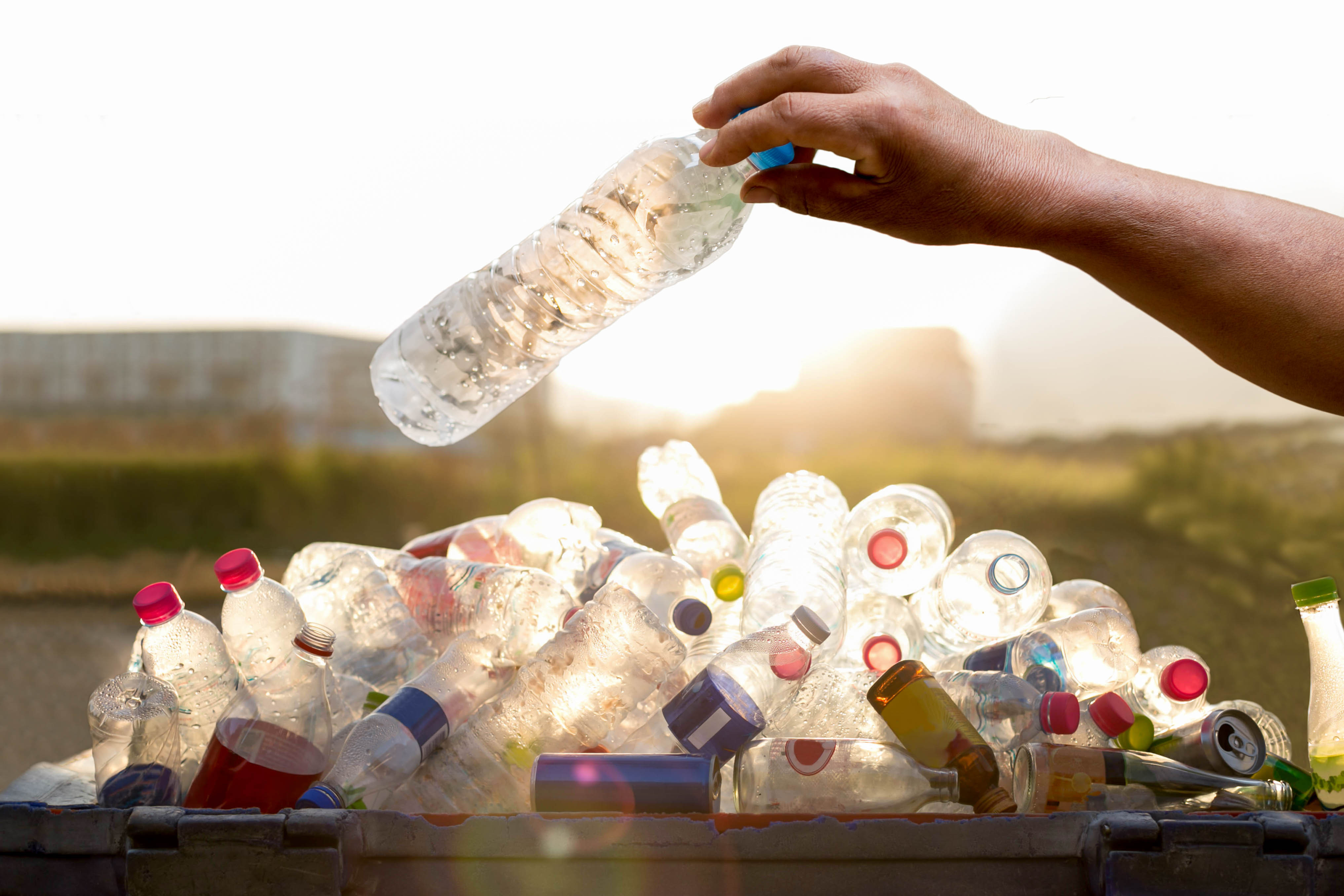
Leading environmental compliance data specialist Ecoveritas has described the delay to Scotland's Deposit Return Scheme (DRS) as a triumph for common sense and a decision that enables a rethink.
Providing data for UK's new Packaging Extended Producer Responsibility (EPR) system: what you need to know
Are you ready for the future by Sandy Dhesi
In the UK, we are now at the cusp of introducing EPR for packaging, which will change a system many of us have been accustomed to for the last 25 years. No one is saying the change will be easy. Still, there is an understanding that the urgency and pressure to implement EPR compliance is necessary to support the transition to a circular economy.
Food industry must change mindset ahead of GFSI Conference
The food and beverage industry must use the upcoming GFSI Conference to revisit their approach to change, according to leading global assurance provide, LRQA.
New study on impacts of EU packaging regulation shows a blanket approach on re-use may have unintended consequences: higher CO2 emissions & costs
As the EU looks to adopt the Packaging and Packaging Waste Regulation (PPWR), a new in-depth study, merging data from various sources, finds that imposing strict reusable packaging targets by 2030 will severely impact the EU’s climate footprint, as well as consumers’ budgets.

Decoding the Water-Biodiversity Nexus: The Key to Resource Management and Healthy Ecosystems
The UN Water Conference in New York is only the second UN Conference dedicated to water to be held since 1977. The extent of our water challenges and our water needs have drastically changed in the past 46 years.

In conversation with Lisa Thalheimer: uncovering the human fingerprint in climate disasters
Lisa Thalheimer is a senior researcher at UNU-EHS. Her research focuses on the links between extreme weather and climate change and resulting human responses such as migration and displacement: climate mobility in short. Lisa is part of an international scientific initiative called World Weather Attribution, a group of scientists working on attribution science.
How the bottled water industry is masking the global water crisis
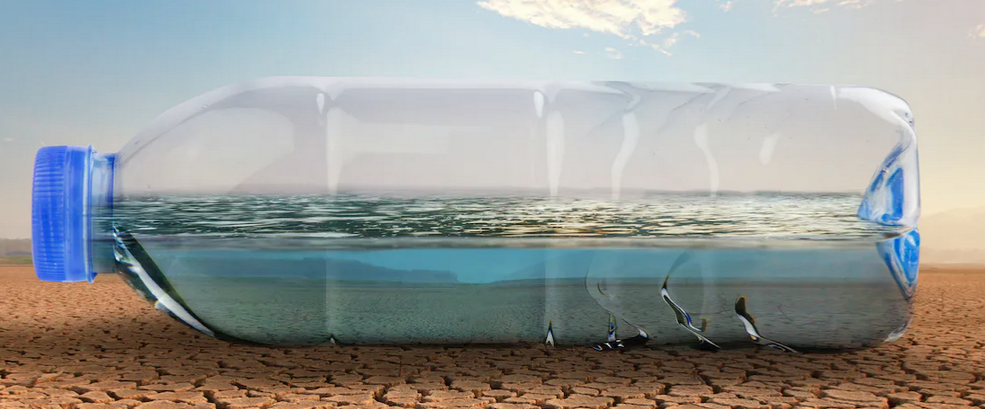
Bottled water is one of the world’s most popular beverages, and its industry is making the most of it. Since the millennium, the world has advanced significantly towards the goal of safe water for all. In 2020, 74 per cent of humanity had access to safe water. This is 10 per cent more than two decades ago. But that still leaves two billion people without access to safe drinking water.
Global Trade Slows, But ‘Green Goods’ Grow
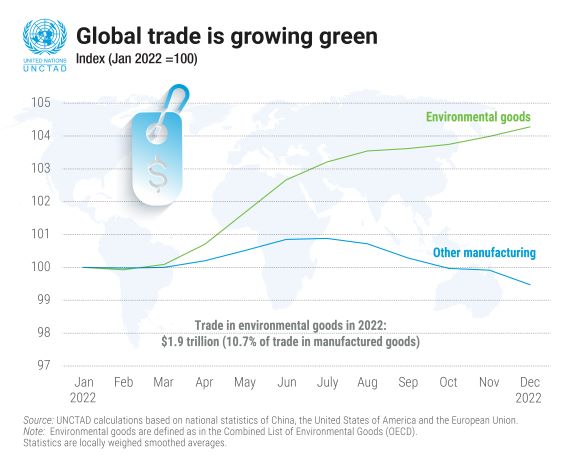
World trade hit a record $32 trillion in 2022, but growth turned negative in the last half of the year. Environmentally friendly products defied the trend.
Global trade was worth a record $32 trillion in 2022, but amid deteriorating economic conditions and rising uncertainties, growth turned negative in the last half of the year and is set to stagnate in the first half of 2023.
Urgent climate action can secure a liveable future for all
There are multiple, feasible and effective options to reduce greenhouse gas emissions and adapt to human-caused climate change, and they are available now, said scientists in the latest Intergovernmental Panel on Climate Change (IPCC) report released today.
Meet Our Sponsors
Latest Sponsor News
Articles Most Read


Latest News


Statistics
- Articles View Hits
- 792235
Who's Online
We have 29 guests and no members online